Preces informācija
Seagate Mobile HDD 5400RPM SATAIII 128MB
Preces apraksts angļu valodā:
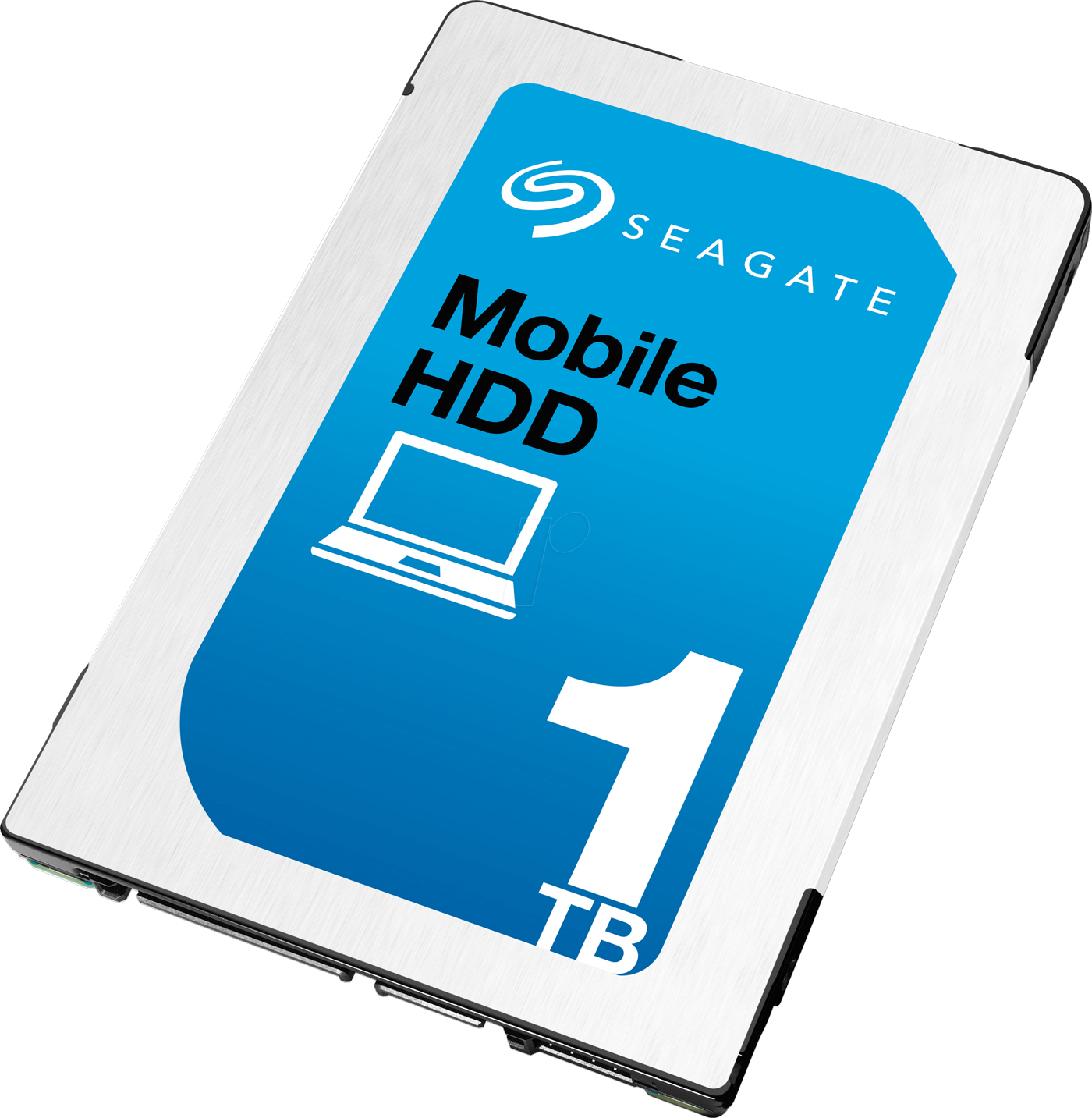
An Amazing Value and True Capacity Kick for Laptops and Mobile Devices
Huge 1 TB and 2 TB capacities in a thin 7mm lightweight design, the Seagate® Mobile HDD stores up to 200,000 photos, 250,000 songs or 124 hours of high definition video.[1] The Mobile HDD has some of the most advanced features and one of the best $/TB and $/mm available. All backed by a 2-year limited warranty.
Ideal for:
Traditional laptops
Convertible and detachable storage
Slim consumer electronics devices
Helping to protect your sensitive data
1-Calculations based on a 2 TB drive. Quantitative usage examples for various applications are for illustrative purposes. Actual quantities will vary based on various factors, including file size, file format, features and application software.
Compatibility and Flexibility
The Mobile HDD works with SATA 6 Gb/s and SATA 3 Gb/s designs.
A slim, high-performance HDD which integrates easily.
Drop in 1 TB or 2 TB without the weight of traditional laptop drives
25% lighter than the previous generation
Easy upgrade for most 7mm laptop designs
No-hassle transition from 9.5mm
Standard SATA drive mounting
High Areal Density Comes With Quiet Operation and Excellent Shock Resistance
With an incredible 1 TB per disk, the Mobile HDD enables the highest areal density in a 7mm small form factor. The drive additionally performs operations very quietly and has industry-leading shock resistance.
Self-Encrypting Drive Options
Looking for dependable and secure data encryption? The Mobile HDD has Self-Encrypting Drive (SED) and FIPS 140-2 SED models available in the same 7mm design.2
Government-grade encryption without performance degradation
Ships with the Trusted Computing Group (TCG) Opal protocol
Instant Secure Erase technology3 that can instantly erase the security key data on your hard drive if needed, enabling secure disposal or repurposing of the SED
2Self-Encrypting Drives and FIPS 140-2 Validated drives are not available in all models or countries.
3ISO/IEC 27040 (Information technology - Security techniques - Storage security) and NIST 800-88 (Guidelines for Media Sanitization)
Preces apraksts angļu valodā:
An Amazing Value and True Capacity Kick for Laptops and Mobile Devices
Huge 1 TB and 2 TB capacities in a thin 7mm lightweight design, the Seagate® Mobile HDD stores up to 200,000 photos, 250,000 songs or 124 hours of high definition video.[1] The Mobile HDD has some of the most advanced features and one of the best $/TB and $/mm available. All backed by a 2-year limited warranty.
Ideal for:
Traditional laptops
Convertible and detachable storage
Slim consumer electronics devices
Helping to protect your sensitive data
1-Calculations based on a 2 TB drive. Quantitative usage examples for various applications are for illustrative purposes. Actual quantities will vary based on various factors, including file size, file format, features and application software.
Compatibility and Flexibility
The Mobile HDD works with SATA 6 Gb/s and SATA 3 Gb/s designs.
A slim, high-performance HDD which integrates easily.
Drop in 1 TB or 2 TB without the weight of traditional laptop drives
25% lighter than the previous generation
Easy upgrade for most 7mm laptop designs
No-hassle transition from 9.5mm
Standard SATA drive mounting
High Areal Density Comes With Quiet Operation and Excellent Shock Resistance
With an incredible 1 TB per disk, the Mobile HDD enables the highest areal density in a 7mm small form factor. The drive additionally performs operations very quietly and has industry-leading shock resistance.
Self-Encrypting Drive Options
Looking for dependable and secure data encryption? The Mobile HDD has Self-Encrypting Drive (SED) and FIPS 140-2 SED models available in the same 7mm design.2
Government-grade encryption without performance degradation
Ships with the Trusted Computing Group (TCG) Opal protocol
Instant Secure Erase technology3 that can instantly erase the security key data on your hard drive if needed, enabling secure disposal or repurposing of the SED
2Self-Encrypting Drives and FIPS 140-2 Validated drives are not available in all models or countries.
3ISO/IEC 27040 (Information technology - Security techniques - Storage security) and NIST 800-88 (Guidelines for Media Sanitization)
Bieži pirkts kopā

12 mēn. bezprocentu līzings

0 € uz pakomātu
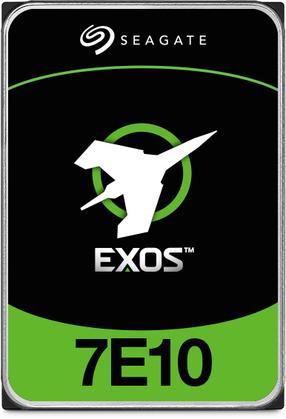
Servera cietais disks (HDD) Seagate Exos 7E10 ST2000NM017B, 3.5", 2 TB
Parastā cena
479,00 €
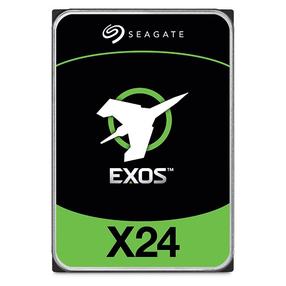
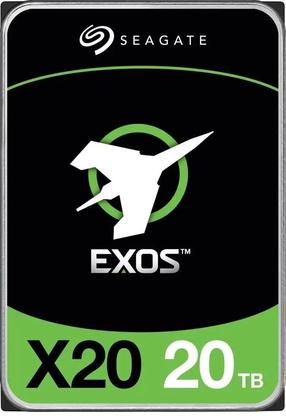
Servera cietais disks (HDD) Seagate Exos X24 ST20000NM002H, 3.5", 20 TB
Parastā cena
1 129,00 €
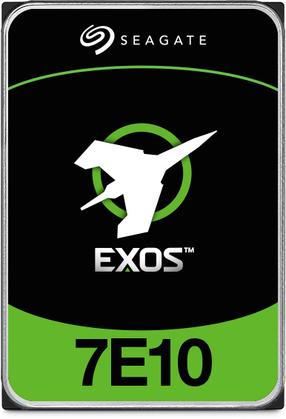
Servera cietais disks (HDD) Seagate Exos 7E10 ST2000NM018B, 3.5", 2 TB
Parastā cena
234,90 €
0 € uz pakomātu

TOP prece
Parastā cena
26,59 €